

The Case for a Machine Health Foundation Model
Could one model learn how machines behave and fail, then adapt to a new asset with few labels? The case for a machine health foundation model, and the hurdles.
Company announcements, product notes, research and perspectives on intelligence for the physical world.
Could one model learn how machines behave and fail, then adapt to a new asset with few labels? The case for a machine health foundation model, and the hurdles.

Data alone protects less than many assume. A framework for what makes industrial AI hard to copy: the right data, deployment, workflow and earned trust.

Latency, data volume, outages and security each push industrial AI work to a different tier. What runs best on the device, at the site and in the cloud.
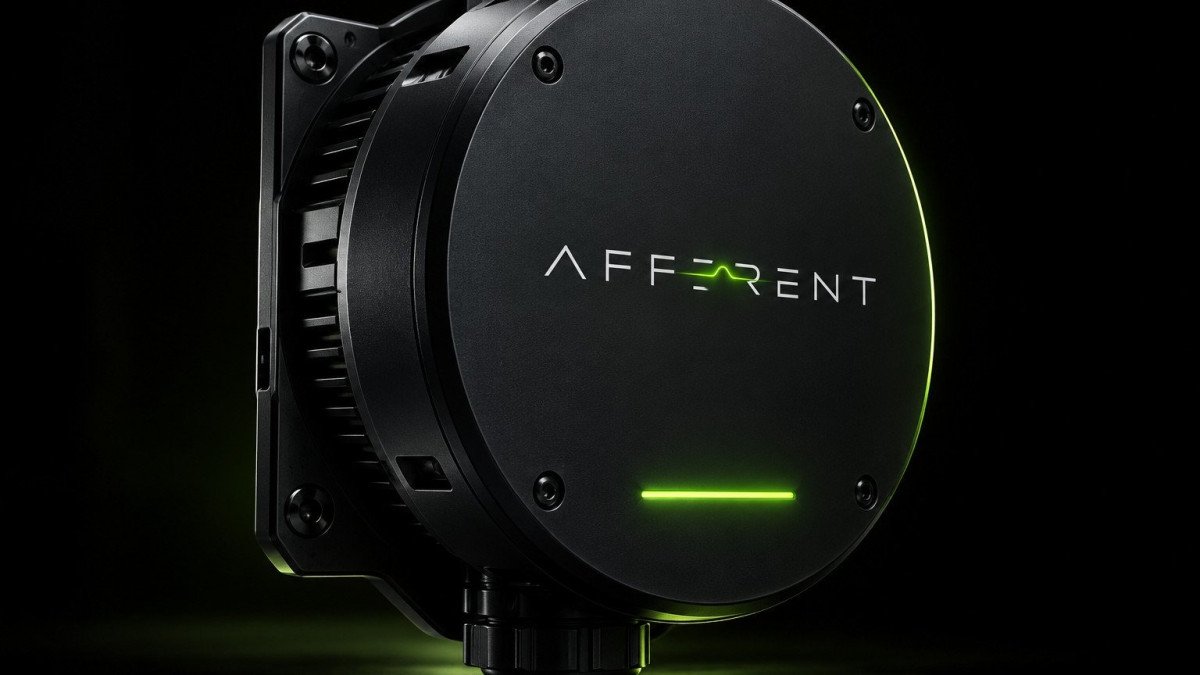
Conventional advice says avoid hardware. In infrastructure, an installed base on real assets often drives the recurring value. What Otis and others show.
The last wave of AI trained on public data. Data on how machines behave and fail is scarce, private and slow to gather, which is why it may be the next moat.

Heat, dust, vibration and electrical noise shape every decision in an industrial device. The design priorities behind NODE, which is still in development.

Most outage hours come from major events, but how equipment fares in them is decided weeks earlier. Why grid resilience starts with knowing asset condition.

Pipelines and water networks spread small, unattended machines over huge areas. What makes them hard to monitor, and how a distributed sensing network works.

How signals travel from a machine fault to a sensor, why mounting acts like a filter, and a practical checklist for placing vibration and temperature sensors.