

Remote Infrastructure Monitoring: The Economics of Sending People vs. Sending Data
What a routine site visit really costs, a worked comparison of scheduled visits with continuous monitoring, and why distance and alert precision matter.
Company announcements, product notes, research and perspectives on intelligence for the physical world.
What a routine site visit really costs, a worked comparison of scheduled visits with continuous monitoring, and why distance and alert precision matter.

Inverter dashboards track a plant's output, not its machines. Where trackers, cooling, transformers and battery plant hide risk, and where visibility pays.

Grid digitization has focused on electrical state and customers, not equipment health. Why energy networks need an intelligence layer, and its ground rules.

How oil-filled transformers age, the signals that reveal their condition, how dissolved gas results are read, and the practical limits on monitoring a fleet.
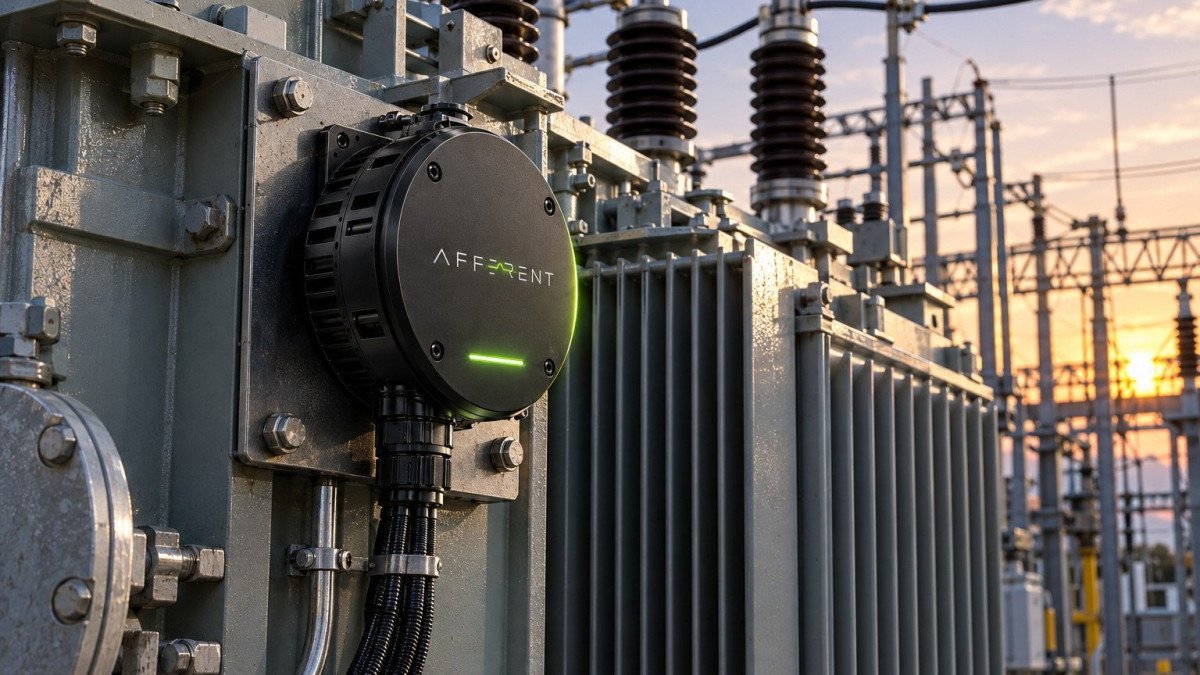
The grid senses voltage and flow in fine detail but knows little about the condition of its equipment. Where that gap sits, why it matters now, and what helps.

How the planned NODE family fits together: Mini for breadth, Industrial for working machines, Critical for assets that cannot fail, and what all three share.
Why good fault detectors still raise more false alarms than real ones, the base rate arithmetic, how to set thresholds by cost, and how to keep alerts trusted.

A factory behaves like a body: organs, circulation and nerves. How its systems depend on each other, a compressor failure worked through, and what to monitor.
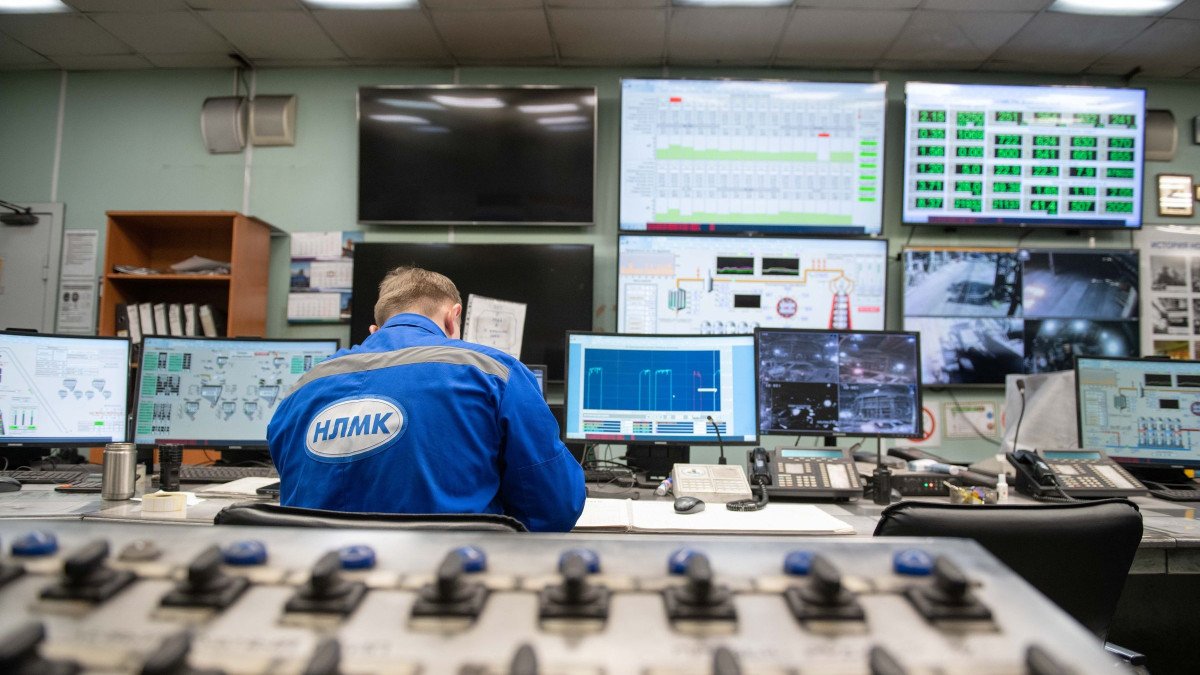
Industrial AI should cut the work between a signal and a decision. Alarm management lessons show why fewer, evidence-backed findings beat more screens.