

Why Infrastructure Intelligence Is a Long Game
Industrial adoption, field reliability and labeled failure data all take years to build. Why infrastructure intelligence rewards patience, and what it takes.
AFFERENT's point of view on physical AI, predictive maintenance and the future of industrial infrastructure.
Industrial adoption, field reliability and labeled failure data all take years to build. Why infrastructure intelligence rewards patience, and what it takes.

After the data center boom comes a quieter build-out: sensing, edge inference, connectivity, fleet management and action. A layer by layer look at physical AI.

A monitoring system's value lies in what it can safely discard. How trillions of samples a day become one or two decisions, and what makes a finding useful.

Similar devices can sit inside very different businesses. What separates selling measurements from selling decisions, and how buyers can tell them apart.

Could one model learn how machines behave and fail, then adapt to a new asset with few labels? The case for a machine health foundation model, and the hurdles.
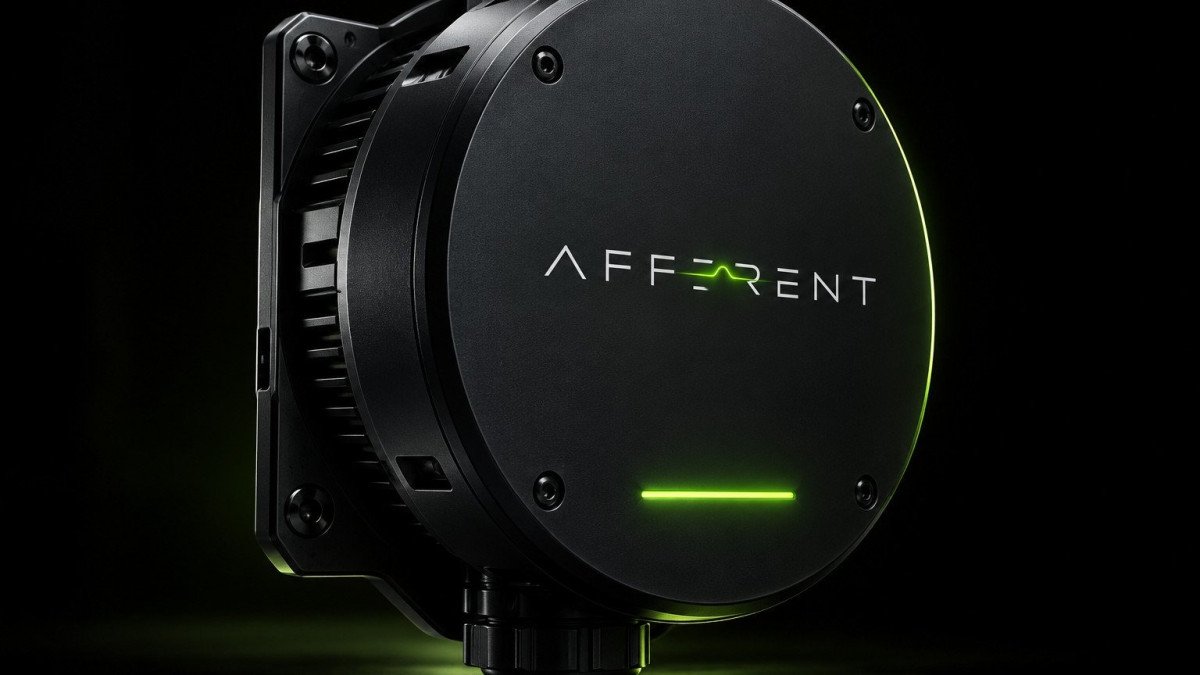
Conventional advice says avoid hardware. In infrastructure, an installed base on real assets often drives the recurring value. What Otis and others show.
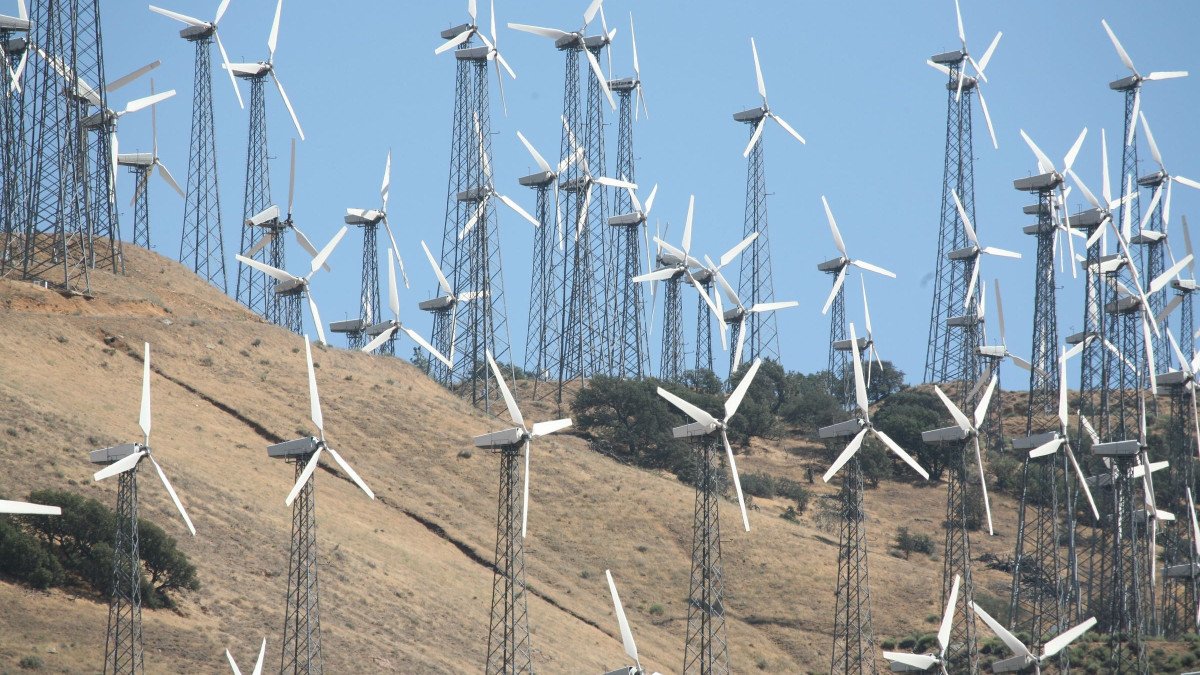
The last wave of AI trained on public data. Data on how machines behave and fail is scarce, private and slow to gather, which is why it may be the next moat.

Most outage hours come from major events, but how equipment fares in them is decided weeks earlier. Why grid resilience starts with knowing asset condition.

Grid digitization has focused on electrical state and customers, not equipment health. Why energy networks need an intelligence layer, and its ground rules.