

Securing the Industrial Edge: What Connected Machine Intelligence Must Get Right
What connected machine intelligence must get right on security: device identity, encryption, signed updates, network segmentation and the whole lifecycle.
Technology articles from AFFERENT on multimodal sensing, edge intelligence and the cloud architecture behind machine health.
What connected machine intelligence must get right on security: device identity, encryption, signed updates, network segmentation and the whole lifecycle.

Latency, data volume, outages and security each push industrial AI work to a different tier. What runs best on the device, at the site and in the cloud.

How signals travel from a machine fault to a sensor, why mounting acts like a filter, and a practical checklist for placing vibration and temperature sensors.

How oil-filled transformers age, the signals that reveal their condition, how dissolved gas results are read, and the practical limits on monitoring a fleet.

Why good fault detectors still raise more false alarms than real ones, the base rate arithmetic, how to set thresholds by cost, and how to keep alerts trusted.

Anomaly, fault and failure are different things. The four jobs of machine health analysis, and one synthetic example followed from first sign to remaining life.
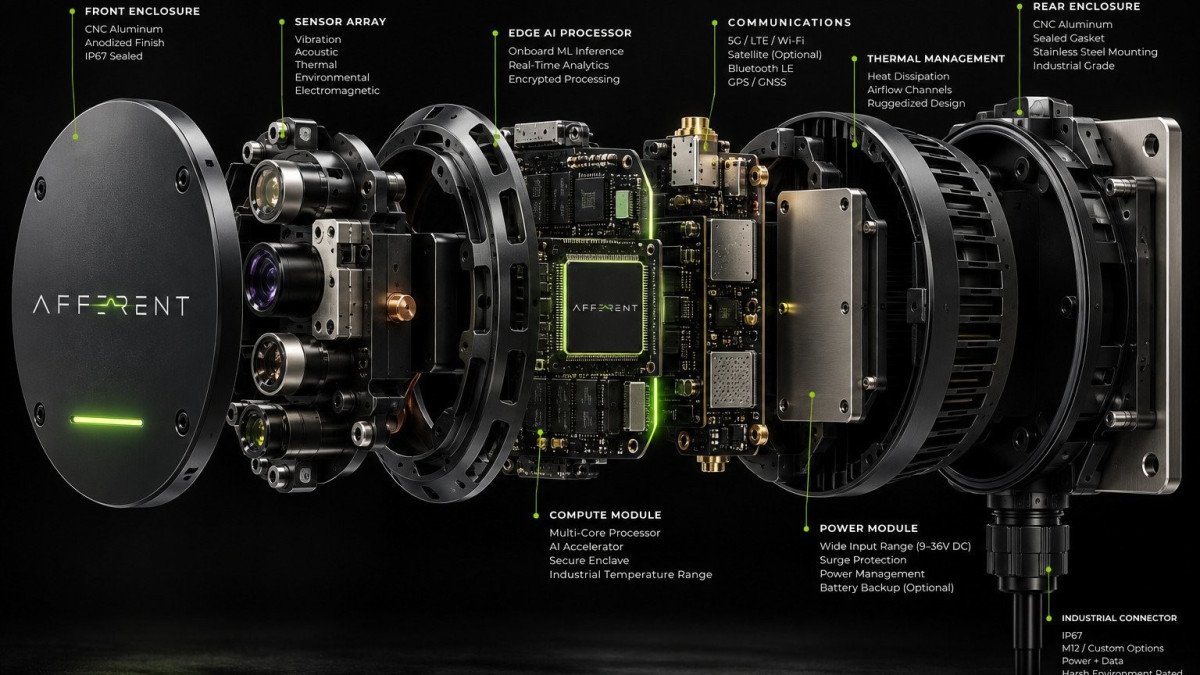
The proposed architecture of NODE, function by function: sensing, signal conditioning, edge compute, buffering, secure links and the reasons for each.
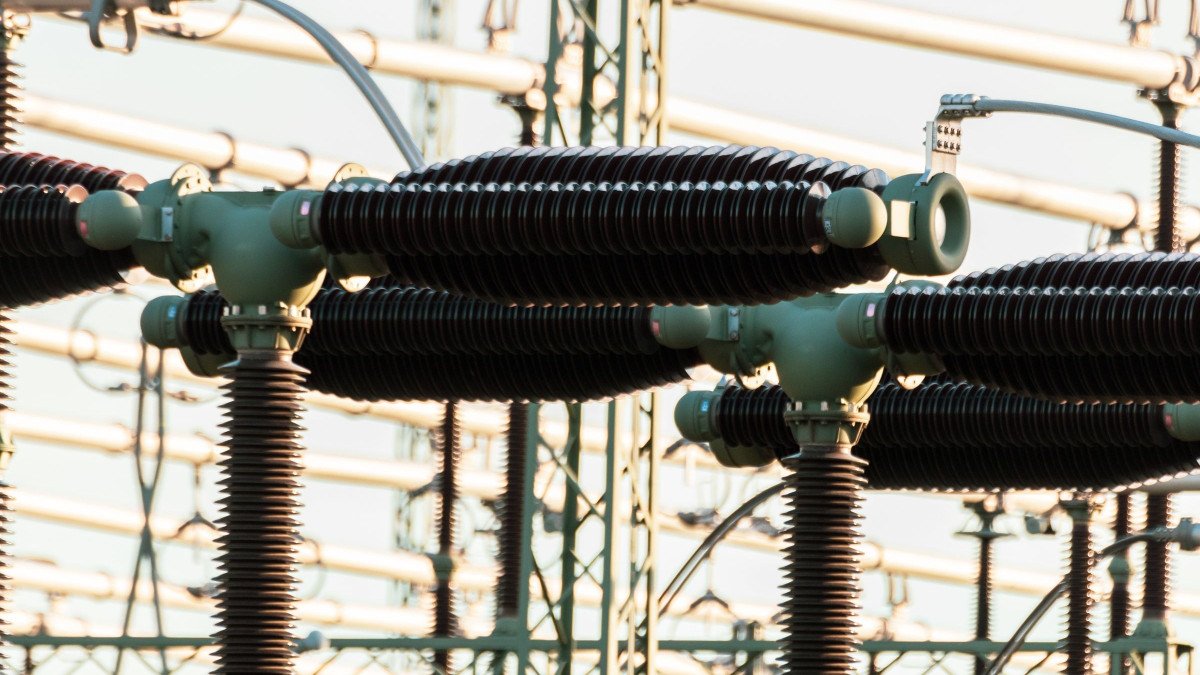
Temperature is the most familiar machine measurement and often a misleading one. How thermal sensing works and why load, ambient and history matter.

What sound and ultrasound reveal about machines, how acoustic sensing compares with vibration, and why background noise is the hardest part of the job.