
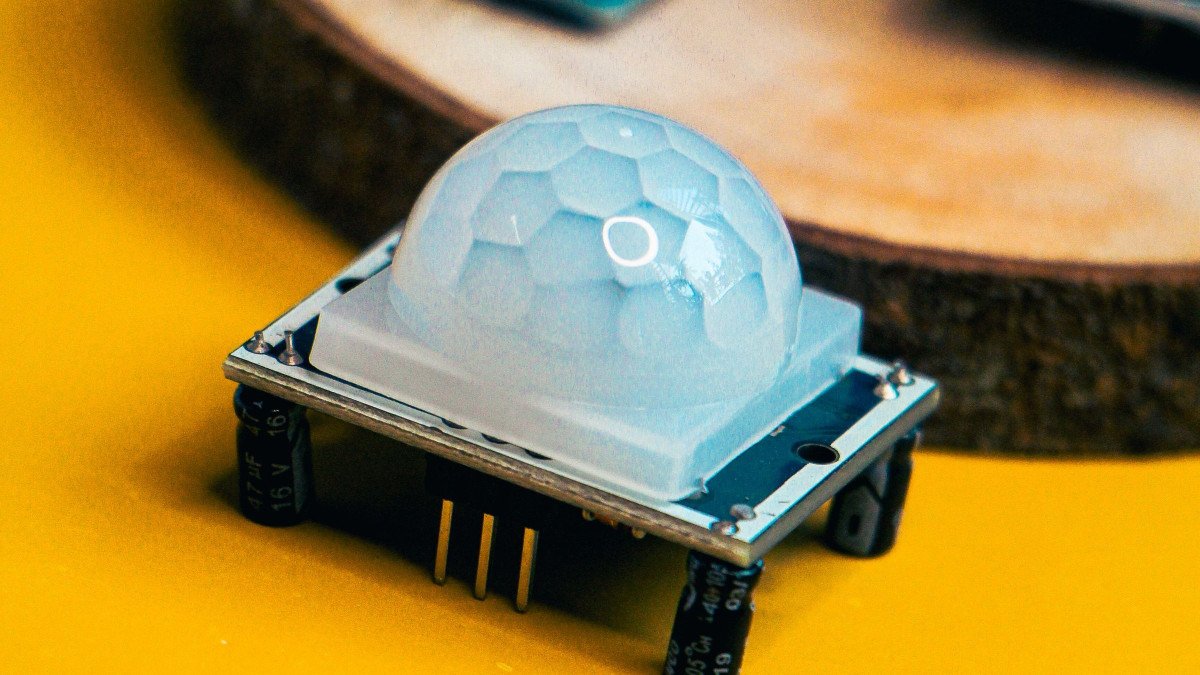
Sensor Fusion: Why Multiple Weak Signals Can Produce Stronger Intelligence
Vibration, sound, heat and electrical signals each see part of a machine. Fusing them raises confidence sharply, as a worked Bayes example shows.
Company announcements, product notes, research and perspectives on intelligence for the physical world.
Vibration, sound, heat and electrical signals each see part of a machine. Fusing them raises confidence sharply, as a worked Bayes example shows.
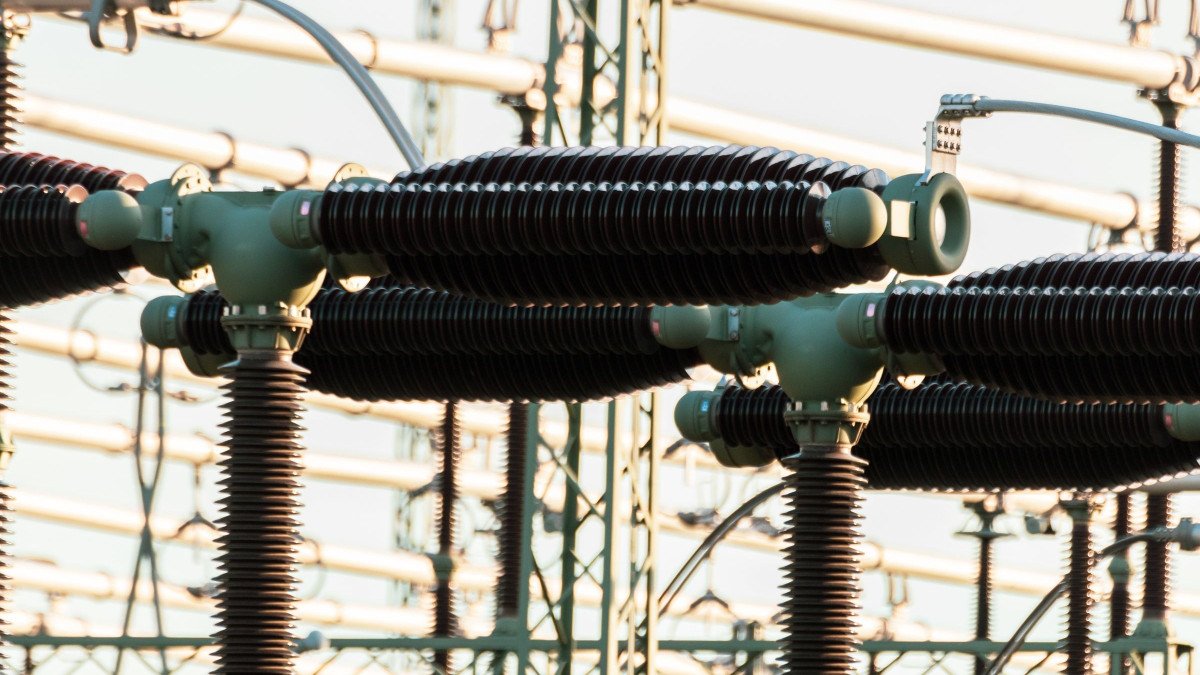
Temperature is the most familiar machine measurement and often a misleading one. How thermal sensing works and why load, ambient and history matter.

What sound and ultrasound reveal about machines, how acoustic sensing compares with vibration, and why background noise is the hardest part of the job.

A practical guide to vibration analysis: sensors, sampling, FFT, bearing fault frequencies and envelope analysis, worked through with real public test data.

Machines rarely fail without warning. Heat, vibration, sound and electrical change appear in a typical order, and reading them early is the whole game.

AFFERENT's cofounders on the question behind the company, how they split the work across three layers, and what they won't claim until they can prove it.
Machine Health Intelligence means reading a machine's signals against its own normal to find faults early and advise action. A definition, with its basis.

Software is watched constantly; the pumps, transformers and chillers behind critical services mostly are not. Why the gap exists and why it matters now.
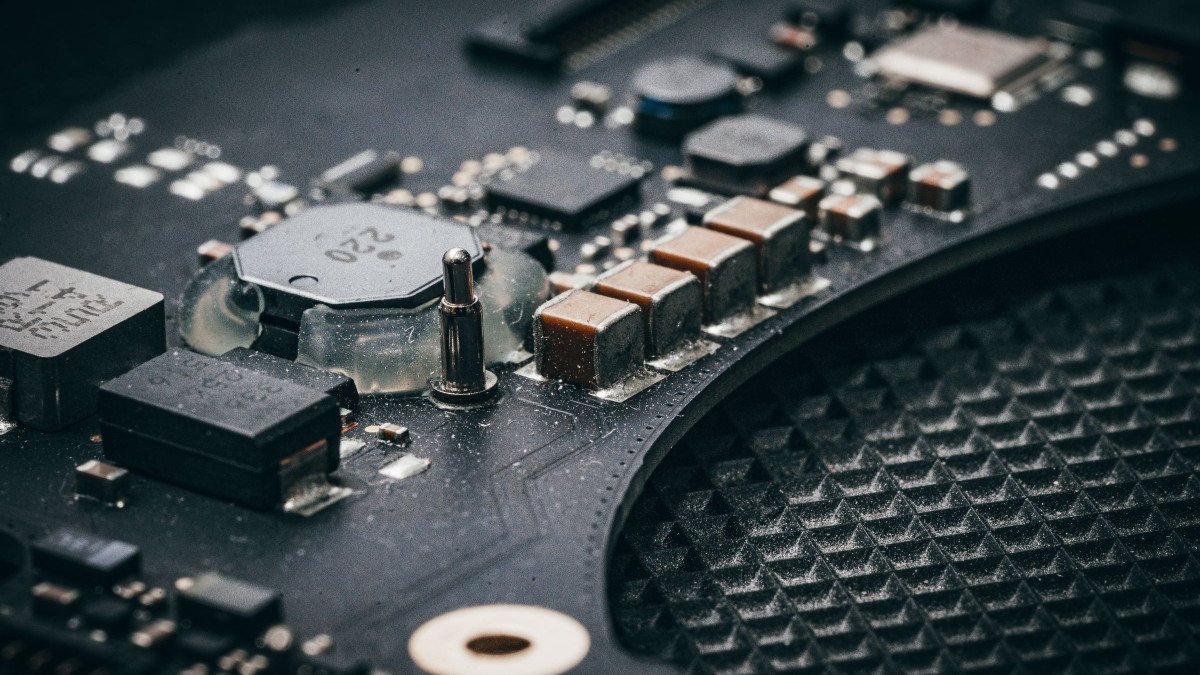
How edge intelligence works on a machine: acquisition, conditioning, feature extraction, local inference, decisions and cloud sync, and what gets thrown away.